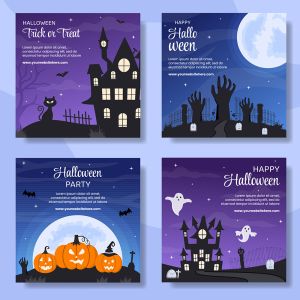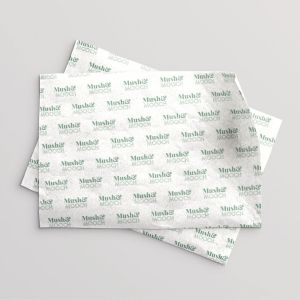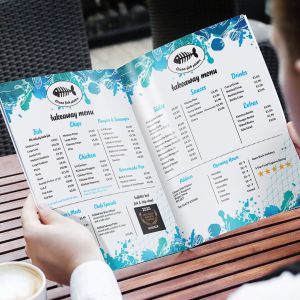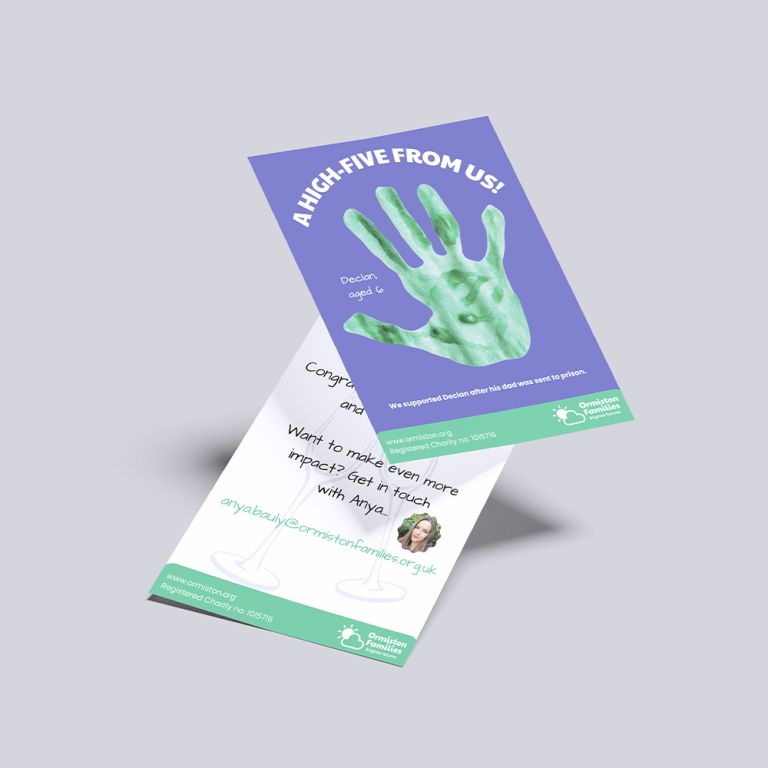
A good flyer or leaflet can do much more than advertise an offer. It can introduce your business, attract new customers and give people a reason to get in touch.
But how do you make sure yours gets noticed?
We’ve all been there. You pick up the post, flick through a handful of promotional leaflets and most head straight for the recycling bin.
It’s not necessarily because the businesses aren’t interesting. Often, the flyer simply hasn’t given us a reason to stop and take notice.
The good news? A successful flyer doesn’t need to be complicated, expensive or covered in flashing offers and exclamation marks. It just needs to get a few important things right.
At Indigo Ross, we’ve been designing and producing printed marketing materials for businesses for more than 30 years. Here’s what we think makes the difference.
1. Start with one clear message
One of the biggest mistakes is trying to squeeze everything onto a single flyer. Your full list of services, several offers, company history, photographs and every possible contact detail.
The result? A crowded page where nothing stands out.
Instead, think about the one thing you want people to remember. Are you promoting a product, advertising an event or offering a special deal?
Give that message priority. A strong headline, supporting information and a clear call to action will achieve far more than competing messages.
Remember: if everything is shouting for attention, nothing gets heard.
2. Make your headline work hard
You haven’t got long to capture somebody’s attention, so make your headline count. Avoid generic statements and focus on what makes your offer relevant.
For example:
- Instead of “Professional Gardening Services”, try “Get Your Garden Ready for Summer”.
- Instead of “Local Plumbing Specialists”, try “Leaky Tap? Boiler Playing Up? We’re Here to Help”.
- Instead of “New Restaurant Now Open”, try “Your New Favourite Lunch Spot Has Arrived”.
Be clear, be relevant and give people a reason to read on.
3. Good design doesn’t mean cramming everything in
A professional-looking leaflet isn’t necessarily one with the most colours, biggest headlines or elaborate graphics. Sometimes less really is more.
Good design creates a natural reading order and makes important information easy to find. Think about:
- Visual hierarchy: Make your main message the first thing people notice.
- White space: Give your content room to breathe.
- Typography: Choose fonts that are easy to read.
- Colour: Use colours that complement your branding.
- Consistency: Make sure the flyer looks and feels like your business.
And please, resist the temptation to use six different fonts. Your flyer doesn’t need a typography convention!
4. Use photographs and imagery that mean something
Images can make a huge difference, but they need to earn their place.
If you’re advertising a restaurant, show the food. Promoting a product? Show the product. Offering a service? Use imagery that helps customers understand what you do.
Where possible, use your own photography rather than generic stock images. Pictures of your team, premises, products or completed work help build trust and make your business more recognisable.
A carefully chosen image can communicate more in a second than several paragraphs of copy.
5. Give people a reason to take action
A flyer should do more than simply tell people your business exists. What would you like them to do next?
Visit your website? Make a call? Book an appointment? Take advantage of an offer?
Make that next step obvious.
A QR code can be useful for directing people to a booking page, product range or special offer. Just make sure it’s easy to scan and takes them somewhere relevant.
And don’t forget your contact details. There’s little point creating a fantastic flyer if people can’t get hold of you!
6. Choose the right size, paper and finish
Not every flyer needs to be the same size or printed on the same material. The right choice depends on your audience, message and how it’ll be distributed.
Some popular options include:
- A5: A versatile choice for promotions, events, menus and general advertising.
- DL: Slimline and ideal for letterbox distribution, takeaway promotions and counter displays.
- A4: Useful when you have more information or want greater visual impact.
- Premium stocks and finishes: Heavier papers, laminating and specialist finishes can give your marketing material a more substantial feel.
At Indigo Ross, we can help you choose the right combination to suit your project and budget. There’s no point paying for an expensive finish if a simpler option will do the job.
7. Think about who will actually receive it
Even the best-designed flyer won’t deliver results if it reaches the wrong audience.
Think about where it’ll be distributed and who you’re trying to attract. A restaurant might target nearby homes, a beauty salon could leave flyers in complementary businesses, while an event organiser might use relevant venues and community locations.
Your design and message should reflect your audience.
And remember, a flyer doesn’t have to work alone. It can support your website, social media and email marketing. Trackable QR codes or promotional codes can also help measure results.
8. Don’t forget that it’s going to be printed!
Designing something on a computer screen and producing it as a finished printed product are two different things.
Colours can look different on screen, small text may become difficult to read and images that look sharp on a monitor might not reproduce well in print.
Make sure your artwork is prepared correctly:
- Set your document to the correct finished size.
- Include 3mm bleed where required.
- Keep important text and graphics away from the trim edge.
- Use high-resolution images, ideally 300dpi at final size.
- Supply artwork in CMYK rather than RGB.
- Check spelling, contact details, website addresses and QR codes.
Getting these details right avoids unnecessary delays and helps ensure your finished flyers look their best. If you’re unsure, our team can help.
9. Don’t underestimate the power of good print
With so much marketing happening online, it’s easy to overlook the impact of something physical.
A professionally printed flyer gives people something tangible. It can be picked up, passed around, displayed on a noticeboard or kept for later.
And print and digital marketing work brilliantly together. A flyer can introduce your business and encourage somebody to visit your website, follow your social media or make an enquiry.
The important thing is giving it a purpose.
10. Your logo isn’t the most important thing on the page!
We know, we know. It’s your business, you’re proud of your brand and you want everyone to know who you are.
But here’s a little secret: your logo isn’t necessarily the most important thing on your flyer. Making it the biggest element could be a wasted opportunity.
Think about it from the customer’s perspective. They’re not necessarily interested in who you are just yet. They’re interested in what you offer and, more importantly, what’s in it for them.
Your headline, offer or selling point should grab their attention. Once you’ve given them a reason to stop and read, they’ll naturally look for more information, including who you are and how to get in touch.
Your logo still has an important job. It provides recognition and reinforces your branding. Just don’t let it take centre stage at the expense of your message.
Sell the benefit first, introduce the business second. Your logo doesn’t need to shout to make an impression!
Need a hand creating flyers that get noticed?
At Indigo Ross, we combine creative graphic design with professional in-house print production to help businesses make more of their marketing.
Whether you need promotional flyers, an eye-catching event handout, a product launch campaign or something a little more unusual, we can take your idea from the drawing board to the finished printed product.
We work with businesses of all sizes, from one-off projects and short print runs to larger quantities. And because we handle both design and print, we make sure everything works together from the very beginning.
Don’t just print another flyer. Give people a reason to pick it up!