Choosing the Perfect Feel for Your Print
The design of your marketing material is vital, but the physical medium it’s printed on is just as important. The weight, texture, and finish of the paper you choose can dramatically alter the perception of your brand, turning a simple flyer into a premium statement.
Navigating the world of paper stocks and finishes can seem complex, but understanding a few key concepts will empower you to make the perfect choice for your next print project.
Understanding Paper Weight (GSM)
GSM stands for ‘Grams per Square Metre’. It’s the standard measurement for paper weight, and the higher the GSM number, the heavier and thicker the paper.
- 80-120gsm: This is the weight of standard office paper. It’s light and flexible, suitable for letterheads or compliment slips.
- 130-170gsm: A slightly heavier and more durable stock, this is a popular and cost-effective choice for high-quality leaflets, flyers, and posters.
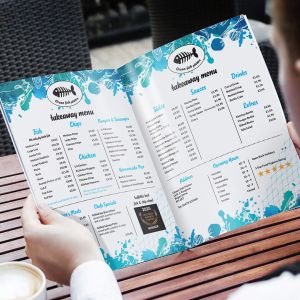
- 200-300gsm: This is a heavier card-like stock. It offers a more substantial feel, perfect for premium brochure covers, high-quality menus, and certificates.
- 350-400gsm: This is a thick, sturdy board. It’s the standard for premium business cards and luxury invitations, offering a rigid and high-quality feel.
Coated vs. Uncoated Stock
This refers to how the paper is manufactured. The choice between them affects how colours appear and the overall texture.
- Uncoated: This paper has a natural, non-reflective surface, much like standard writing paper. It’s porous, meaning it absorbs more ink, which can give colours a slightly softer, more muted appearance. It’s perfect for stationery or materials that need to be written on.
- Coated: This paper has a coating (typically clay) applied to its surface, which makes it less porous. Ink sits on top of the coating, resulting in sharper, more vibrant colours. Coated papers come in two main varieties:
- Gloss: Has a shiny, reflective surface that makes colours pop. It’s great for photo-heavy designs and promotional materials.
- Silk/Matt: Has a smooth, low-sheen finish. It offers the colour vibrancy of a gloss stock but without the high shine, giving a sophisticated and modern feel. It’s a very popular choice for a wide range of marketing materials.
Elevate Your Print with Special Finishes
Finishes are applied after printing and are the perfect way to add a touch of luxury and make your print truly stand out.
- Lamination: A thin plastic coating is applied to the print. It adds durability and can create a Matt (smooth and non-reflective), Gloss (high-shine), or Soft-Touch (velvety, premium feel) finish.
- Spot UV: A high-gloss varnish is applied to specific areas (‘spots’) of your design. This creates a striking contrast between the shiny, raised area and the rest of the print, perfect for highlighting a logo or a specific design element.
- Foiling: A metallic foil (often gold, silver, or copper) is applied to the print, creating a luxurious and eye-catching metallic effect. It’s a popular choice for high-end business cards and invitations.
- Embossing/Debossing: This process creates a 3D effect by either raising (embossing) or depressing (debossing) a part of the paper stock. It adds a tactile quality that conveys elegance and sophistication.
The right combination of paper and finish can transform your print from standard to stunning. If you’re unsure what’s best for your project, our expert team is here to help.
Contact us today to discuss your options and request a sample pack.